Project background
Scientific Background
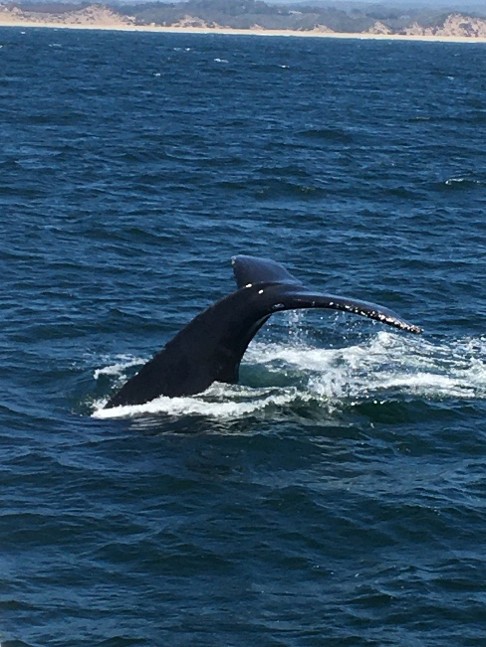
Collisions between vessels and whales (shipstrikes) are one of the main threats to whale populations globally and are particularly prevalent in coastal areas where whales concentrate for feeding or breeding.
A variety of approaches have been attempted around the world to help reduce the frequency and severity of shipstrikes in areas with high shipping traffic, and therefore help recover whale populations. These have included rerouting shipping traffic, establishing areas to avoid, and applying Voluntary Speed Reduction measures. Some regions have designated Voluntary Speed Reduction Zones, asking vessels to reduce their transiting speed to < 10 knots to substantially reduce the risk of fatal shipstrikes (Rockwood et al., 2020). Uptake of ‘whale safe speeds’ by vessel operators in these Voluntary Speed Reduction (VSR) Zones has been more successful in some regions than others, leading researchers and protected species managers to the question; ‘what makes shipping vessels slow down for whales’?
This project will focus on shipping behaviour in two Voluntary Speed Reduction Zones in the Santa Barbara Channel and the San Francisco Bay, California. As well as the static zones, efforts to reduce shipstrikes on Humpback, Grey and Blue whales in California also include temporally dynamic voluntary speed reduction periods based on real-time whale presence data, incentive based programs and publicly available scoring of vessel operator cooperation. While cooperation voluntary speed reduction was initially slow (Morten et al., 2022), these zones have seen a strong positive increase in vessels slowing to <10 knots within the Voluntary Speed Reduction Zones in recent years. However, this adoption of whale safe behaviour has not been observed under similar efforts elsewhere.
Research Methodology
One hypothesis is that pressure from the media has contributed to reduced shipping speeds on the US West Coast. This project aims to determine, using data on vessel speeds within the two VSR zones, whether media pressure has had an influence on shipping speeds. Media pressure will be quantified by performing a systematic review of news articles related to the interaction between vessels and whales on the US West Coast. This media scraping will deliver a data set that can be used to investigate the influence of the media on behaviour change by shipping operators. The data set will enable us to answer questions such as;
-
how has media interest in shipping interactions with whale populations changed over time?
-
does media shaming of specific shipping operators influence the uptake of whale safe shipping speeds?
-
does negative or positive media related to shipping activity have an influence on shipping speeds?
This media-focussed research aspect will contribute to a larger collaborative project aimed at understanding the efficacy of approaches taken to reduce shipstrikes risk on whales.