Linking plant physiology and evolution: exploring the leaf economics spectrum REP 2026

Linking plant physiology and evolution: exploring the leaf economics spectrum REP 2026

Lead Supervisor:
John Ferguson

Locations:
University of Essex

Duration:
10 weeks

Suitable undergraduate degrees:
Biology, Botany, Ecology, Environmental Science, Plant Science, Related disciplines with an interest in plant physiology and ecological research

GO back

Project background

Scientific Background

This project will investigate how evolutionary history shapes variation in the leaf economics spectrum (LES), a central framework in plant ecology describing trade-offs between resource acquisition and conservation strategies.

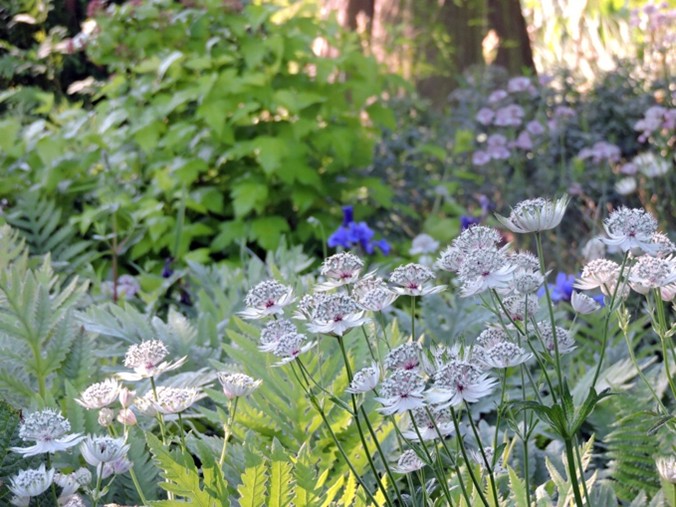
The successful REP student will work within a unique experimental system at Beth Chatto Gardens (Elmstead Market, UK), which houses thousands of plant species arranged according to ecological principles. From this diverse system, the project will focus on a subset of 200+ phylogenetically diverse species, providing an opportunity to explore how key functional traits such as photosynthetic capacity, respiration, and leaf structural properties vary within and across species in a semi-natural, curated environment.


Research Methodology

The primary aim is to characterise intra-specific variation in LES traits and determine the extent to which this variation is structured by phylogenetic relationships. The student will gain hands-on experience with advanced plant physiological and analytical techniques, including infra-red gas exchange to quantify photosynthesis and respiration, and spectral reflectance measurements to estimate leaf chemical composition. Additional work will include measurement of structural traits such as specific leaf area, alongside molecular approaches including DNA extraction and preparation for sequencing.

A key strength of this placement is the opportunity to work with specialist research equipment and facilities not typically accessible at undergraduate level. The University of Essex hosts advanced plant physiology platforms, enabling detailed measurement of plant function using approaches central to modern plant ecophysiology.

The student will also engage directly with the lead horticulturist and plant ecologists associated with Beth Chatto Gardens, gaining insight into how ecological theory informs planting design and management. In addition, the student will contribute to the design of a public-facing exhibition at the biannual Beth Chatto Symposium, an international event attended by researchers and practitioners. This exhibition will introduce delegates to ecological strategy theory.

This placement provides a highly interdisciplinary experience, combining plant physiology, evolutionary ecology, and public engagement. The student will gain technical expertise, research experience, and skills in communicating science to a broad audience.
Eligibilty criteria

Students must meet all of the eligibility requirements listed below to apply for a REP:

  • Be undertaking their first undergraduate degree studies (or integrated Masters) – note that students in in their final year who have graduated and no longer have student status at the time the placement starts are not eligible;
  • Be eligible for subsequent NERC PhD funding (please see the relevant text in the ‘Terms and conditions for training funding’ and associated guidance for further information – https://www.ukri.org/publications/terms-and-conditions-for-training-funding/); and
  • Have the right to work in the UK.


Students from outside the UK who do not already have right to work in the UK should not apply.

How to apply

The deadline for applications will be midday (12 noon BST) on Wednesday 20 May 2026.  

In order to be considered for a placement, please apply to aries.dtp@uea.ac.uk providing the following:

  • A supporting statement explaining your motivation for applying for this project. Please include answers to the following questions:
    • which project are you applying for?
    • why have you applied for this project (e.g. what interested you about this project, what in particular made you want to undertake this research)?
    • what do you hope to achieve by undertaking this placement (e.g. is it for experience, to gain skills, to develop your interests)?
    • what skills do you have that make you an ideal candidate for this placement (e.g. what skills have you developed during your degree that might apply)?
    • what do you hope to do when you complete your degree (e.g. have you considered a working in scientific research in the future, or is this your first experience)?
  • A recent CV
  • A reference from your personal tutor (please ask your tutor to send this to us directly)
  • An interim transcript if available
  • Please also complete the online EDI form (this form is a mandatory part of the application process, but contains ‘prefer not to say’ options for all questions asked)
Selection process
  • Applications are screened for eligibility
  • Applications are forwarded to supervisors (the EDI form is not included)
  • Supervisors shortlist candidates and interview for the placement.


Candidates will be scored according to the following criteria:

  • Fit to project (e.g. your current skills, area of study, interests)
  • Enthusiasm for environmental research (e.g. what you hope to achieve through undertaking this placement, why you chose this project in particular)
  • Evidence of suitability to undertake a research placement (e.g. evidence from your tutor reference, transcript, and CV that you are an engaged student)


Successful candidates will be informed by Friday 12 June 2026.